
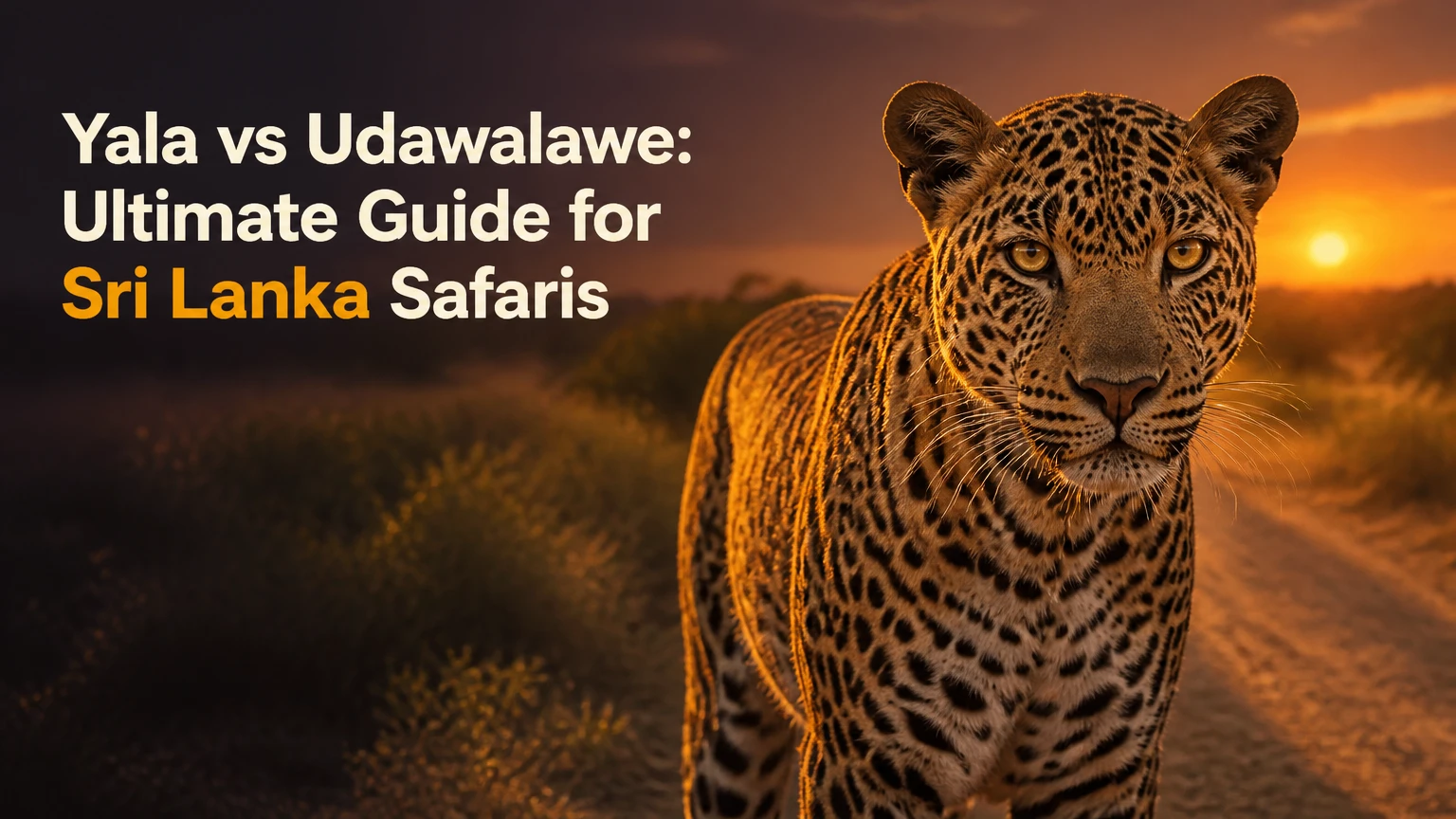
Planning a safari in Sri Lanka but can’t decide between Yala and Udawalawe? You’re not alone. Both national parks offer unique experiences and stunning wildlife, making the choice a thrilling yet challenging one.
Yala, renowned for its high density of leopards, promises an exhilarating adventure with its diverse landscapes and rich biodiversity. On the other hand, Udawalawe is a paradise for elephant enthusiasts, providing close encounters with these majestic creatures in their natural habitat.
Whether you’re an avid photographer, a nature lover, or simply seeking an unforgettable safari, understanding the key differences between Yala and Udawalawe will help you make the best choice for your adventure. Jump into our comparison to discover which park aligns with your wildlife dreams.


Key Takeaways
- Unique Wildlife Experiences: Yala is renowned for its high density of leopards and diverse fauna, while Udawalawe is famous for its abundant elephant population.
- Visitor Dynamics: Yala can be crowded, especially around popular animal sighting spots, whereas Udawalawe offers a more serene and relaxed safari experience.
- Cost Considerations: Yala safaris tend to be pricier compared to the more budget-friendly Udawalawe safaris.
- Best Times to Visit: Yala is best visited from February to August, while Udawalawe can be visited year-round for optimal elephant sightings.
- Accessibility: Both parks are accessible via private or hired vehicles, with public transportation options being somewhat limited and less convenient.
Yala vs Udawalawe: A Comprehensive Comparison
Choosing between Yala and Udawalawe National Parks for your safari adventure in Sri Lanka boils down to your wildlife preferences and the unique experiences you seek. Let’s investigate into a detailed comparison to help you make an well-informed choice.
- Yala National Park: Yala is famed for its incredible wildlife diversity, making it one of the top destinations for enthusiasts. You’ll find one of the highest densities of leopards in the world, offering a thrilling chance to see these elusive big cats. Besides leopards, the park is home to sloth bears, elephants, water buffaloes, crocodiles, and numerous bird species. Each safari could reveal different animals, ensuring that no two visits are the same.
- Udawalawe National Park: If elephants are high on your bucket list, Udawalawe is your go-to park. With approximately 500-600 wild elephants, you’re guaranteed memorable sightings of these majestic creatures. While Udawalawe does harbor leopards and sloth bears, spotting them can be quite rare. The park also features other fauna like buffaloes, crocodiles, various monkey species, and a plethora of birds, making it a rich experience for wildlife watchers.
Cost and Budget
When comparing Yala and Udawalawe national parks, cost is a crucial factor to consider.
General Fees
Entrance fees for both parks are set by Sri Lanka’s Department of Wildlife Conservation (DWC). Foreigners pay $25 USD (or the equivalent in rupees), while locals pay 150 rupees. Also, there’s a vehicle fee: $10 USD (or the equivalent in rupees) for foreigners and 400 rupees for locals.
Safari Costs
Yala
Safaris at Yala tend to be pricier. Private safaris start at around $44 USD per person for a full day, excluding entrance fees. For half-day safaris, prices begin at approximately $60 USD per person, with full-day safaris reaching up to $90 USD per person. Full-day excursions are recommended to maximize your chances of spotting leopards and other rare wildlife.
Udawalawe
Udawalawe safaris are generally less expensive than those at Yala. Here, you can experience the thrill of a wildlife safari without very costly, making it a more budget-friendly option.
| Park | Full-Day Safari (Approx. Cost) | Half-Day Safari (Approx. Cost) | Entrance Fee (Foreigners) | Entrance Fee (Locals) | Vehicle Fee (Foreigners) | Vehicle Fee (Locals) |
|---|---|---|---|---|---|---|
| Yala | Up to $90 USD | $60 USD | $25 USD | 150 rupees | $10 USD | 400 rupees |
| Udawalawe | – | – | $25 USD | 150 rupees | $10 USD | 400 rupees |
In both parks, you’ll find opportunities to make your safari experience memorable without compromising on comfort and thrill. Adjust your budget according to your preferences, and you’ll be well on your way to an adventure-packed trip.
Crowds and Visitor Experience
Yala
Yala is by far the most visited national park in Sri Lanka. While this influx of visitors creates a bustling atmosphere that might be exciting for some, it often leads to crowded conditions. Particularly in Block 1, don’t be surprised to see a swarm of jeeps converging on a single spot when there’s a leopard or sloth bear sighting. These gatherings can involve up to 20 jeeps at a time, all jostling for a position to provide the best view for their passengers.
The high volume of tourists in Yala can negatively impact your overall experience. Jeep drivers might prioritize getting as close as possible to the animals, sometimes at the expense of the animals’ well-being. This behavior can be stressful for the wildlife, especially during popular leopard or sloth bear sightings. If you’re looking for a serene and respectful wildlife experience, this crowded environment might be a drawback.
Udawalawe
Udawalawe offers quite the contrast when it comes to crowds and visitor experience. Although it’s a popular destination for elephant lovers, it doesn’t draw nearly as many tourists as Yala. You’ll find the atmosphere here much more relaxed, with fewer jeeps vying for space. This lower density of visitors creates a more intimate and less hectic safari experience.
In Udawalawe, drivers tend to have a more considerate approach towards the animals. There’s less pressure to rush to the next big sighting, allowing you to savor the moments you do get to spend in close proximity to the wildlife. This can make your jeep tours feel more personalized and less like a race to spot the next animal. If you value a tranquil, respectful interaction with nature, Udawalawe’s visitor experience might be more aligned with your expectations.
Best Time to Visit
Yala
For wildlife enthusiasts, the best time to visit Yala National Park is from February to August. This dry season draws animals to waterholes and lagoons, making it the ideal period for spotting leopards, elephants, and a myriad of bird species. Yala closes in September due to the drought, sometimes extending into October to allow animals to roam freely. To maximize your chances of seeing wildlife, plan your visits during the early morning (6:00 AM – 9:00 AM) or late afternoon (3:00 PM – 6:00 PM).
Udawalawe
Elephant lovers should head to Udawalawe National Park. Unlike Yala, Udawalawe doesn’t have a specific closure period, so you can visit year-round. For the best elephant sightings, arrive early in the morning between 6:00 AM and 10:00 AM, or late in the afternoon from 2:00 PM to 6:00 PM. During these times, herds of elephants are more active and visible near the water sources.
How to Get There and Accessibility
When it comes to reaching Yala or Udawalawe National Parks, each offers its own unique journey and accessibility options. Here’s what you need to know to plan your travel efficiently:
Yala
- Location: Situated in southeast Sri Lanka, Yala National Park is famed for its rich biodiversity.
- Distance from Colombo: It’s about 300 km (186 miles) from Colombo, translating to a 5-6 hour drive depending on traffic.
- Accessibility: Easily accessible by car or hired vehicle, Yala also has limited public transportation options, like buses, which may not be as convenient for tourists.
- Entrance Points: Palatupana is the main gate used to access Block 1, the park’s most frequented area.
Reaching Yala can be an adventure in itself. If you’re driving from Colombo, you’ll traverse scenic landscapes, passing through quaint towns and lush vegetation. Hiring a private vehicle can make the journey smoother, offering you the flexibility to stop and explore along the way. Public buses are available but expect less convenience and longer travel times.
- Location: Nestled in southern Sri Lanka, Udawalawe National Park is known for its elephant population.
- Distance from Colombo: At around 230 km (143 miles) from Colombo, the drive typically takes 4-5 hours.
- Accessibility: Like Yala, Udawalawe is accessible via car or hired vehicle. Public transportation here can involve multiple transfers, making it a bit cumbersome.
Driving to Udawalawe is less demanding than the trip to Yala. The roads are generally in better condition and less crowded. A hired vehicle is advisable for the most comfortable journey. For those choosing public transport, be prepared for several transfers, as there’s no direct bus from Colombo, but regular bus services do connect from nearby towns.
Both parks promise incredible wildlife experiences, but keep in mind these practical travel tips to make the most of your trip.
Booking a Safari
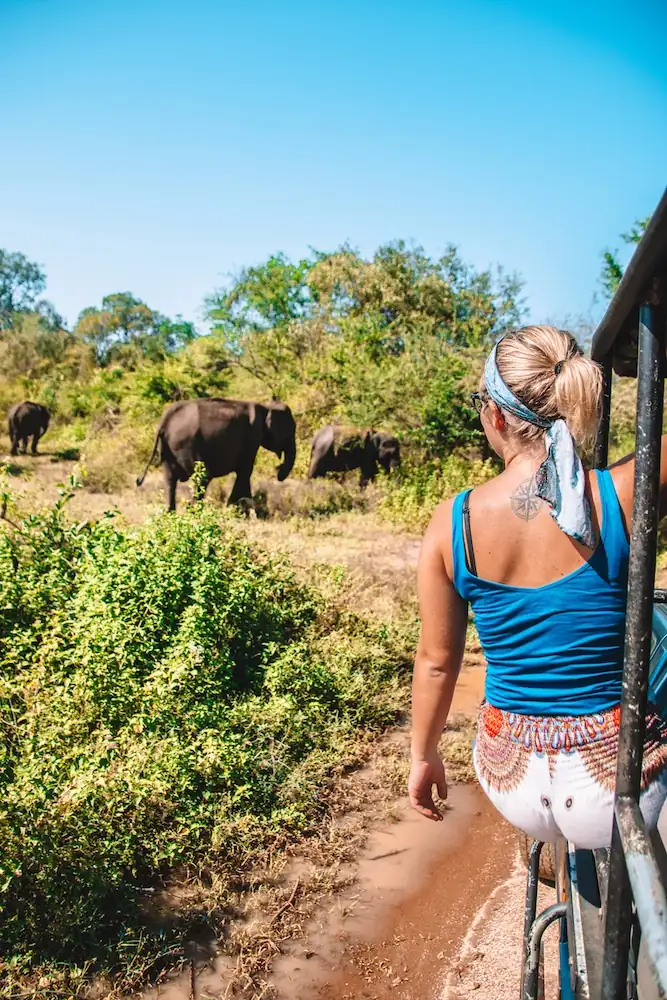
Planning your safari adventure in Sri Lanka involves some key considerations. Booking your experience in advance ensures you get the most out of your visit.
General Fees
Yala and Udawalawe National Parks have identical entrance fees. Foreigners pay $25 USD, while locals pay 150 rupees. Also, there’s a vehicle fee of $10 USD per vehicle for foreigners and 400 rupees per vehicle for locals.
Booking Options
It’s wise to book your safari in advance through local operators or platforms like Get Your Guide. These often include entrance fees, vehicle hire, and a guide. Always verify what’s included in the price.
Yala
Wildlife: Yala is perfect for those hoping to spot leopards, with one of the largest leopard densities globally. It’s an exciting choice if you’re after a diverse array of animals.
Crowds: Yala tends to be crowded, especially around popular animal sighting spots. Booking early morning or late afternoon safaris can help avoid the busiest times and enhance your wildlife viewing experience.
Udawalawe
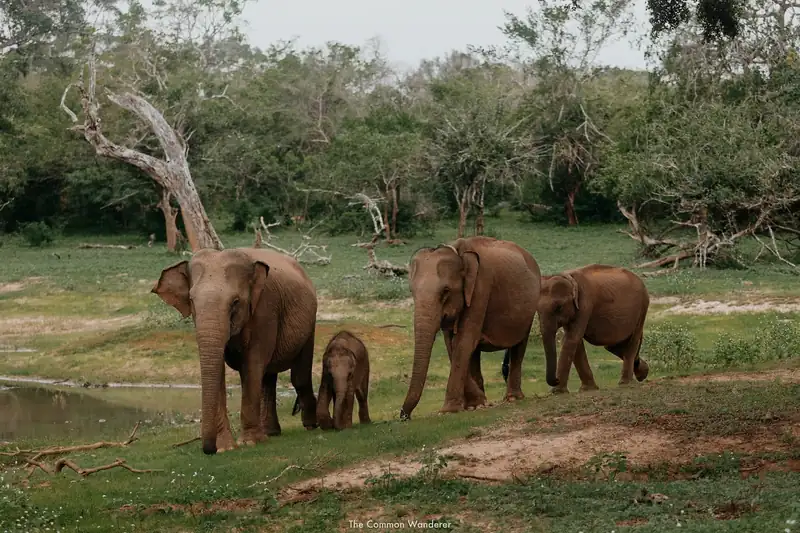
Elephant Spotting: Udawalawe is a haven for elephant enthusiasts. You’re almost guaranteed to see these magnificent creatures, with a population of around 500-600 wild elephants.
Relaxed Atmosphere: Udawalawe offers a more tranquil experience compared to Yala. The park has fewer crowds and a more respectful atmosphere towards the wildlife, making it ideal if you prefer a quieter safari.
Accommodation Options
When planning your safari, your choice of accommodation can significantly impact your experience. Here’s a comparison of what you can expect near Yala and Udawalawe National Parks.
Near Yala
Yala National Park offers a broad spectrum of accommodation, catering to various budgets and preferences. You can choose from guesthouses, star-class hotels, and luxury camping sites, giving you flexibility based on your needs.
- Guesthouses: Affordable and friendly, guesthouses in Tissamaharama and Kirinda provide a cozy stay without very costly.
- Star-Class Hotels: Mid-range travelers will find comfortable hotels with amenities like pools, restaurants, and even spa services. Some notable options include Jetwing Yala and Cinnamon Wild Yala, which are well-rated by past guests.
- Luxury Camping: For a more immersive experience, luxury camping offers a unique way to stay close to nature. Options like Leopard Safari Camping provide high-end tents, guided tours, and exquisite dining experiences.
These choices cater to the wide-ranging demands of tourists, whether you’re seeking comfort or adventure. Expect higher prices here, given the developed tourism infrastructure.
Near Udawalawe
Udawalawe National Park, while smaller and less commercialized than Yala, still has an adequate selection of accommodation. It’s ideal for those seeking a quieter and more budget-friendly alternative.
- Guesthouses: You’ll find many charming guesthouses providing basic amenities and a warm welcome, perfect for budget-conscious travelers.
- Star-Class Hotels: Options like Grand Udawalawe Safari Resort offer good facilities without the high price tag associated with Yala hotels.
- Luxury Camping: For an up-close, nature-centric stay, luxury camping sites like Mahoora Tented Safari Camp offer comfortable tents and all-inclusive services.
While options here might be fewer, they are generally more affordable than those near Yala, making Udawalawe an excellent choice if budget is a primary concern.
This table provides a quick comparison:
| Accommodation Type | Near Yala | Near Udawalawe |
|---|---|---|
| Guesthouses | Cozy and budget-friendly | Charming and affordable |
| Star-Class Hotels | Mid-range with amenities (Jetwing Yala) | Comfortable with good facilities (Grand Udawalawe) |
| Luxury Camping | High-end tents with guided tours | Nature-centric with all-inclusive services (Mahoora) |
Consider your preferences and budget when choosing where to stay, as the right accommodation can make your safari experience even more memorable.
Pros and Cons Summary
Yala National Park
Pros:
- High Leopard Density: Yala boasts the highest leopard density in the world, making it the best place to spot these elusive big cats.
- Diverse Wildlife: You’ll see an incredible array of fauna including elephants, sloth bears, crocodiles, and numerous bird species.
- Scenic Landscapes: The park features stunning landscapes, from sandy beaches to dense forests and wetlands.
- Exciting Safaris: The thrill of spotting diverse wildlife keeps each safari exciting and unique.
- Rich Biodiversity: Besides mammals, Yala is home to an impressive variety of reptiles, insects, and birds, making it a biodiversity hotspot.
Cons:
- Crowded Conditions: Yala is the most visited national park in Sri Lanka, often leading to crowded safari paths, especially in Block 1.
- Higher Costs: Safari costs in Yala can be higher, with full-day safaris reaching up to $90 USD per person.
- Limited Public Transport: Accessibility can be challenging due to limited public transportation options, requiring private or hired vehicles.
Udawalawe National Park
Pros:
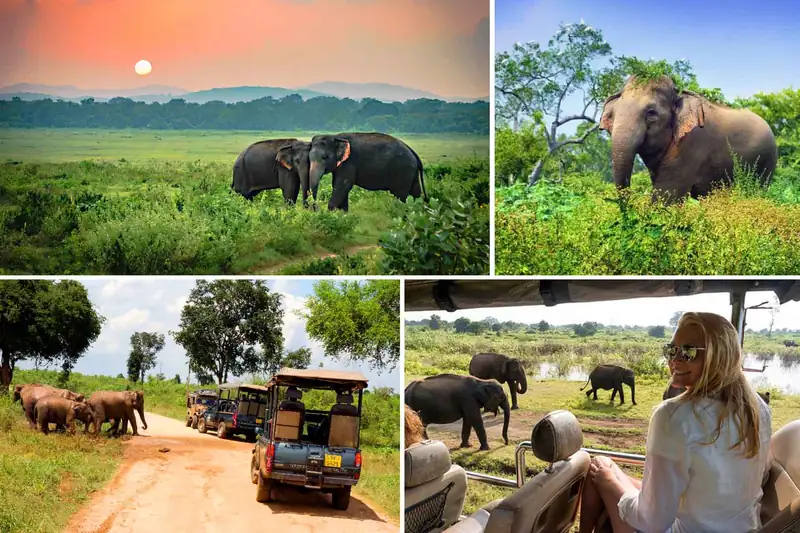
- Guaranteed Elephant Sightings: Udawalawe is renowned for its high density of Sri Lankan elephants, almost guaranteeing sightings.
- Less Crowded: Compared to Yala, Udawalawe offers a more serene and isolated safari experience with fewer visitors.
- Diverse Landscapes: The park features a mix of grasslands, marshes, forests, and mountainous areas, providing varied scenery.
- Other Wildlife: Besides elephants, you can spot water buffaloes, peacocks, wild boars, jackals, and many other animals.
- Flexible Safari Times: Animals can be seen even during midday, with late afternoon safaris from 3:00 pm to 6:00 pm highly recommended.
Cons:
- Fewer Leopards: The chances of spotting leopards in Udawalawe are significantly lower compared to Yala.
- Less Diverse Wildlife: While the park is home to various animals, the diversity is not as extensive as Yala’s.
- Remote Accessibility: Like Yala, public transport to Udawalawe can be cumbersome, necessitating transfers.
Comparative Overview
Below is a table summarizing the key differences and considerations between Yala and Udawalawe:
| Aspect | Yala National Park | Udawalawe National Park |
|---|---|---|
| Wildlife Density | High density of leopards, diverse species | High density of elephants, less wildlife variety |
| Visitor Experience | Crowded, especially in popular areas | Serene, less crowded |
| Scenic Beauty | Beaches, forests, wetlands | Grasslands, marshes, forests |
| Cost | Higher safari costs, up to $90 USD | More budget-friendly |
| Accessibility | Requires private/hired vehicle, limited public transit | Requires private/hired vehicle, multiple transfers |
| Safari Recommendations | Early mornings and late afternoons for the best sightings | Flexible times, midday sightings also possible |
Consider these points when choosing between Yala and Udawalawe for your Sri Lankan safari adventure.
Tips for a Successful Safari Experience
Essential Gear
- Binoculars: Enhance your wildlife viewing experience by bringing a good pair of binoculars. They help you spot animals from a distance, minimizing disturbance.
- Camera: Capture memorable moments with a high-quality camera. A zoom lens is particularly useful for detailed wildlife shots.
- Clothing: Wear neutral-colored clothing that blends with the surroundings. Lightweight, breathable fabrics keep you comfortable in the heat.
- Footwear: Choose sturdy, closed-toe shoes for walking around. They offer protection from rough terrain and potential encounters with insects.
- Sun Protection: Protect yourself with sunscreen, a wide-brimmed hat, and sunglasses. The Sri Lankan sun can be harsh, especially during mid-day safaris.
- Water and Snacks: Stay hydrated and energized with ample water and light snacks. Many safaris last several hours, and amenities can be limited.
- Insect Repellent: Keep mosquitoes and other bugs at bay with a good insect repellent. It’s essential, particularly during the early morning or late afternoon.
- Respect Wildlife: Maintain a respectful distance from animals. Avoid loud noises and sudden movements to prevent distressing the creatures.
- Early Start: Begin your safari early, around 4:30-5:00 AM in Yala and 6:00 AM in Udawalawe. The early start increases your chances of spotting animals and avoids the main crowds.
- Hire a Guide: Enhance your safari with a knowledgeable local guide. They’re familiar with the park’s terrain and animal habits, increasing your chances of unique sightings.
- Stay Silent: Use a quiet voice or remain silent when near wildlife. Animals are easily spooked by noise, and silence helps you hear natural sounds.
- Follow Rules: Adhere to park regulations and your guide’s instructions. These rules are designed to protect both visitors and wildlife.
- Use Environmental Practices: Be eco-friendly by taking your trash with you, avoiding single-use plastics, and respecting the natural environment.
By integrating these essential gear tips and best practices, you’ll be well-prepared for a memorable and respectful safari adventure in either Yala National Park or Udawalawe National Park.
Conclusion
Choosing between Yala and Udawalawe depends on what you’re looking for in a safari experience. If you’re eager to see leopards and enjoy diverse landscapes, Yala is your go-to. But, be prepared for crowded conditions and higher costs.
On the other hand, if you’re an elephant enthusiast seeking a more relaxed and budget-friendly adventure, Udawalawe won’t disappoint. With fewer visitors, you’ll have a more intimate encounter with nature.
Consider your priorities, budget, and travel logistics to make the most of your safari in Sri Lanka. Both parks offer unique experiences that cater to different interests, ensuring a memorable wildlife adventure.
Frequently Asked Questions
Is Yala better than Udawalawe?
Udawalawe is ideal for guaranteed elephant sightings and a more budget-friendly experience. If you are an elephant enthusiast, Udawalawe is the preferred choice. On the other hand, Yala boasts a high concentration of leopards and diverse wildlife, making it a top pick for broader wildlife adventures.
Which safari is better in Sri Lanka?
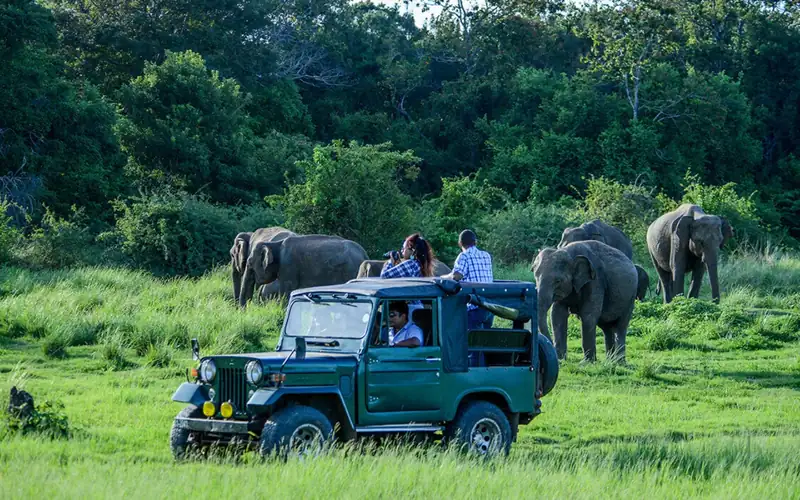
For those interested in seeing a variety of wildlife, including leopards, bears, and elephants, Yala National Park is the most famous and diverse option. However, for a more intimate safari with reliable elephant sightings, Udawalawe is a great choice.
Can you see leopards in Udawalawe?
Yes, Udawalawe is home to a small population of leopards. However, sightings are less common compared to Yala, which has a higher density of these big cats.
Is a Yala morning or evening safari better?
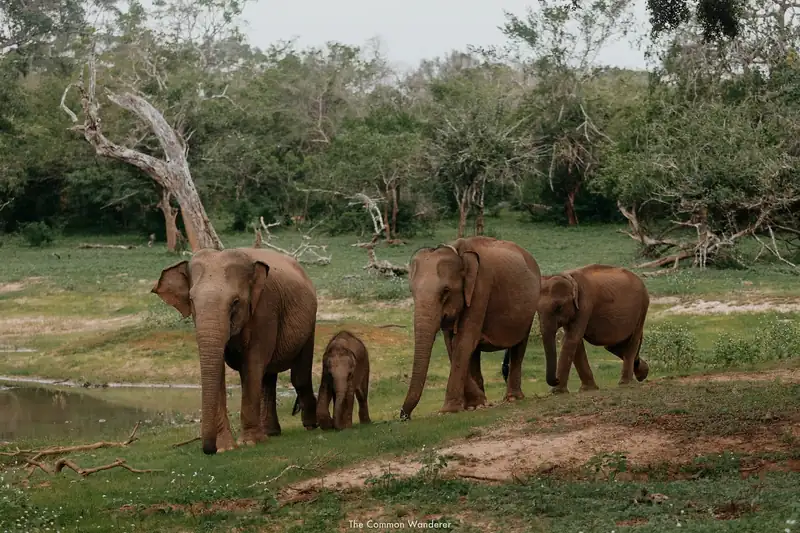
During the dry season (December to March), afternoon safaris are ideal due to higher animal activity. During the rainy season (May to August), morning safaris are better for spotting leopards and bears as they dry off and warm up.
Where can I see jaguars in Sri Lanka?
Sri Lanka is home to leopards, not jaguars. For the highest concentration of leopards, visit Yala National Park, known for its dense leopard population per square kilometer.