Planning a trip to Italy but can’t decide between the enchanting north and the charming south? You’re not alone. Italy’s diverse regions offer unique experiences that cater to different tastes and interests. Whether you’re drawn to the historic cities and alpine landscapes of the north or the sun-soaked beaches and rustic villages of the south, each area has its own allure.
In the north, you’ll find bustling metropolises like Milan and Venice, world-renowned for their fashion, architecture, and canals. Meanwhile, the south boasts picturesque coastal towns like Amalfi and Sicily, where you can indulge in authentic Italian cuisine and explore ancient ruins. So, which region should you visit? Let’s jump into what makes each part of Italy special to help you make an well-informed choice.
Key Takeaways
- Northern Italy offers bustling cities, alpine landscapes, and cooler, cloudier climates, with major attractions like Milan, Venice, and the Dolomites.
- Southern Italy is known for its warm Mediterranean climate, beautiful coastlines, and rich history, featuring top spots like the Amalfi Coast, Naples, Sicily, and Puglia.
- Northern Italy tends to be more expensive and influenced by neighboring European cultures, while Southern Italy is generally more affordable with strong Greek and Roman historical influences.
- Culinary differences are notable; Northern Italy focuses on butter, dairy, and meats, while Southern Italy highlights olive oil, tomatoes, and seafood.
- The pace of life varies: Northern Italy is fast and efficient, reflecting its industrial and business orientation; Southern Italy is relaxed and laid-back, embodying traditional Mediterranean charm.
- Best travel times differ: Northern Italy is ideal from April to October for warmer weather and winter sports, while Southern Italy is best visited from May to October, with off-season months offering fewer crowds and milder conditions.
Defining Northern and Southern Italy
Northern Italy
Northern Italy is a breathtaking region dominated by the Alps and the great plains to the south of the mountains. This area includes famous lakes such as Lake Como and Lake Garda, as well as the stunning Dolomite Mountains. The climate here is generally cooler and cloudier, with colder winters and milder summers. Bordering Switzerland, Austria, and France, Northern Italy’s culture and architecture reflect a unique blend of influences from these neighboring countries.


Top Attractions:
- Milan: Renowned for fashion and finance.
- Venice: Famous for its canals and historical architecture.
- Lake Como: A picturesque lakeside escape.
- Dolomites: Ideal for skiing and hiking.
- Turin: Known for its automotive history and museums.
Southern Italy
Southern Italy is characterized by its warm Mediterranean climate, with hot, humid summers and mild winters. Along the picturesque coastline of the Adriatic and Ionian Seas, you’ll find beautiful spots like the Amalfi Coast, as well as the enchanting islands of Sicily and Sardinia. The region is famous for its luxurious beaches, cuisine, and rich historical sites.
Top Attractions:
- Amalfi Coast: Stunning coastal views and charming towns.
- Naples: Birthplace of pizza and rich in ancient history.
- Sicily: Offers a mix of Greek and Roman ruins.
- Puglia: Known for unique trulli houses and olive groves.
- Matera: Famous for its ancient cave dwellings.
Climate Data Comparison
| Region | Winter Temp (°F) | Summer Temp (°F) | Precipitation (inches) |
|---|---|---|---|
| Northern Italy | 30-40 | 75-85 | 3-5 |
| Southern Italy | 50-60 | 80-90 | 1-3 |
Accommodations
| Criteria | Northern Italy | Southern Italy |
|---|---|---|
| Luxury Hotels | Villa d’Este | Belmond Hotel Caruso |
| Mid-range Options | Hotel La Fenice et des Artistes | Hotel Luna Convento |
| Budget Stays | Ostello Bello | Hostel of the Sun |
Transportation & Practical Tips
Northern Italy:
- Rail Connections: High-speed trains connect major cities.
- Driving: Roads are good but check weather conditions in winter.
- Practical Tip: Consider a Swiss Travel Pass if planning to cross borders.
Southern Italy:
- Ferry Services: Essential for island visits, e.g., Sicily.
- Driving: Roads can be narrow. Renting a compact car is advisable.
- Practical Tip: Book accommodation in advance during peak summer months.
Historical/Cultural Context
Both regions are steeped in history and culture. Northern Italy’s proximity to other European countries means it has a mix of French, Swiss, and Austrian influences, observable in both its cuisine and architecture. Southern Italy, on the other hand, is heavily influenced by Greek and Roman history, seen in ancient ruins and traditional dishes.
Budget Considerations
Northern Italy: Tends to be more expensive due to its economic prosperity and luxurious cities like Milan.
Southern Italy: Generally more affordable, especially in rural areas and smaller towns.
- Water Bottle: Bring a reusable water bottle; many cities have public fountains.
- Public Transport: Use trains and buses to reduce carbon footprint.
- Local Produce: Enjoy local, seasonal food to support regional farmers and reduce food miles.
History and Cultural Differences
Northern Italy
Northern Italy’s history reflects its interactions with neighboring countries like Switzerland, Austria, and France. This influence is visible in everything from architecture to daily customs. Milan, for example, has a sleek, cosmopolitan vibe, often likened to Paris. In contrast, Venice’s gondola-filled canals and Renaissance architecture transport you to a time of maritime glory and artistic innovation. Florence stands out for its significant contributions to art and culture during the Renaissance, offering countless museums and galleries.
The region’s cuisine further underscores these cultural influences. You’ll find an emphasis on butter rather than olive oil, with dishes like risotto, polenta, and delicacies such as apple strudel and leberknödel indicative of central European origins.
Southern Italy
Southern Italy boasts a rich world of cultural influences from Spain and Greece, reflected in its vibrant traditions and historic landmarks. The city of Naples is a gateway to ancient history, as it’s located near the ruins of Pompeii and Herculaneum, offering a glimpse into life in the Roman Empire. Sicily is a melting pot of influences, from Norman cathedrals to Greek temples, drawing you into a complex historical narrative.
Unlike its northern counterpart, southern Italian cuisine revolves around olive oil, tomatoes, and seafood. Regions like the Amalfi Coast are famous for their lemons and limoncello, while Sicily offers robust dishes such as arancini and caponata. The rustic, laid-back lifestyle permeates every aspect of daily life, giving you a true sense of Mediterranean culture.
Key Cultural Differences
Architecture
- Northern Italy: Gothic cathedrals, Renaissance palaces, and well-preserved medieval towns.
- Southern Italy: Ancient ruins, Baroque churches, and sun-drenched coastal villages.
Cuisine
- Northern Italy: Rich, butter-based dishes, risottos, polenta, and influences from central Europe.
- Southern Italy: Mediterranean fare with olive oil, tomatoes, seafood, and fresh herbs.
- Northern Italy: Fashion Week in Milan, Venice’s Carnival, and Florence’s art festivals.
- Southern Italy: Naples’ street festivals, Sicily’s Feast of Saint Agatha, and traditional Greek-style Easter celebrations.
Choosing between Northern and Southern Italy depends largely on your interests. Whether you are drawn to the fashionable, art-filled streets of the north or the historic, sun-soaked landscapes of the south, both regions offer captivating experiences steeped in rich history and vibrant culture.
Geography and Climate Comparison
Northern Italy
Northern Italy, dominated by the Alps, offers stunning mountainous landscapes and vast plains. You’ll discover the majestic Dolomite Mountains, part of the Alps, offering a haven for adventure enthusiasts. The region’s picturesque lakes, like Lake Como and Lake Garda, are surrounded by charming towns, perfect for serene getaways. Sharing borders with Switzerland, Austria, and France, Northern Italy’s culture, cuisine, and architecture bear noticeable influences from its neighbors.
Southern Italy
In contrast, Southern Italy boasts a warmer Mediterranean climate. You’ll encounter coastal regions along the Adriatic and Ionian Seas with panoramic views and traditional landscapes. Regions like the Amalfi Coast, Puglia, and Sicily are famous for their sun-soaked coasts and picturesque villages, embodying the quintessential Mediterranean allure.
Climate
While Northern Italy generally experiences a cooler, often cloudier climate, the south basks in consistent warmth and sunlight. This climatic divide influences travel plans, as each region offers distinct experiences based on the time of year.
| Season | Northern Italy Climate | Southern Italy Climate |
|---|---|---|
| Winter | Cold, snowy in the Alps, milder in plains | Mild, with occasional rain |
| Spring | Cool to warm, frequent showers | Warm, blooming wildflowers |
| Summer | Warm to hot, humid in plains | Hot, dry, ideal for beach activities |
| Fall | Cooling down, colorful foliage | Warm, harvest season |
Top Attractions
Northern Italy
- Milan: A global fashion hub brimming with historic landmarks.
- Venice: The enchanting city of canals and unique architecture.
- Dolomites: A paradise for hikers and skiers alike.
- Lake Como: Serene waters surrounded by luxurious villas.
Southern Italy
- Amalfi Coast: Renowned for its stunning coastal views and quaint towns.
- Naples: Birthplace of pizza and a gateway to ancient ruins.
- Sicily: Rich in history with diverse landscapes and vibrant culture.
- Puglia: Famous for its white-washed towns and olive groves.
Hidden Gems
Northern Italy
- Bergamo: A charming medieval town with a rich history.
- Langhe: A wine lover’s dream known for Barolo and Barbaresco wines.
Southern Italy
- Matera: Home to ancient cave dwellings and a unique historical charm.
- Aeolian Islands: Volcanic archipelago perfect for adventurous spirits.
Accommodations
| Region | Budget Options | Luxury Stays | Mid-Range Choices |
|---|---|---|---|
| Northern Italy | Hostels, Agriturismos | High-end hotels in Milan and Lake Como | Boutique hotels, family-run B&Bs |
| Southern Italy | Farm stays, Affordable hotels | Luxury resorts in Amalfi and Capri | Charming inns, coastal B&Bs |
Dining Highlights
Northern Italy
Indulge in risotto, polenta, and hearty dishes influenced by Austria and Switzerland. Key ingredients include butter, cheese, and rice. Don’t miss Milan’s dynamic food scene and the truffle-rich dishes in Piedmont.
Southern Italy
Relish in the flavors of olive oil, tomatoes, and seafood. Naples offers world-famous pizzas, while Sicily provides exquisite street food like arancini and granita. The Mediterranean diet thrives here, emphasizing fresh and flavorful ingredients.
Transportation & Practical Tips
- Public Transport: Efficient in both regions; consider trains for scenic routes.
- Driving: More practical for exploring rural Southern Italy; auto rentals are widely available.
- Local Produce: Support regional farmers by shopping at local markets.
- Travel Seasons: Visit the north for winter sports and cultural festivals; head south for summer beach escapades and autumn harvests.
Conclusion
Make sure to plan your Italian adventure based on your preferred climate and activities, factoring in the unique geographical and cultural distinctions of both northern and southern Italy. Explore hidden gems, savor local delicacies, and support sustainable travel practices for an enriching experience.
Major Cities and Attractions
Top Places to Visit in Northern Italy
Northern Italy offers a diverse array of cities and landscapes that cater to different interests. Whether you’re into fashion, history, or outdoor activities, there’s something here for everyone.
Milan
Milan is Italy’s fashion and economic powerhouse. Stroll through Galleria Vittorio Emanuele II, one of the world’s oldest shopping malls, and take in high fashion at every turn. Don’t miss the magnificent Duomo di Milano, a Gothic masterpiece that offers panoramic city views from its rooftop. The best time to visit Milan is spring or fall when the weather is mild, and fashion events are in full swing.
Venice
Venice, with its iconic canals and romantic ambiance, is best experienced by taking a gondola ride through its winding waterways. Explore St. Mark’s Basilica and the Doge’s Palace for a glimpse into the city’s opulent past. Venice is perfect for a visit during spring or early summer to avoid the high tourist season and enjoy moderate weather.
Florence
Florence, the heart of Tuscany, is a treasure trove of Renaissance art and architecture. Visit the Uffizi Gallery to see works by Michelangelo and Botticelli, and climb to the top of the Duomo for unparalleled views. If you’re an art lover, autumn is an ideal time to explore Florence due to fewer crowds and pleasant weather.
Lake Como and Lake Garda
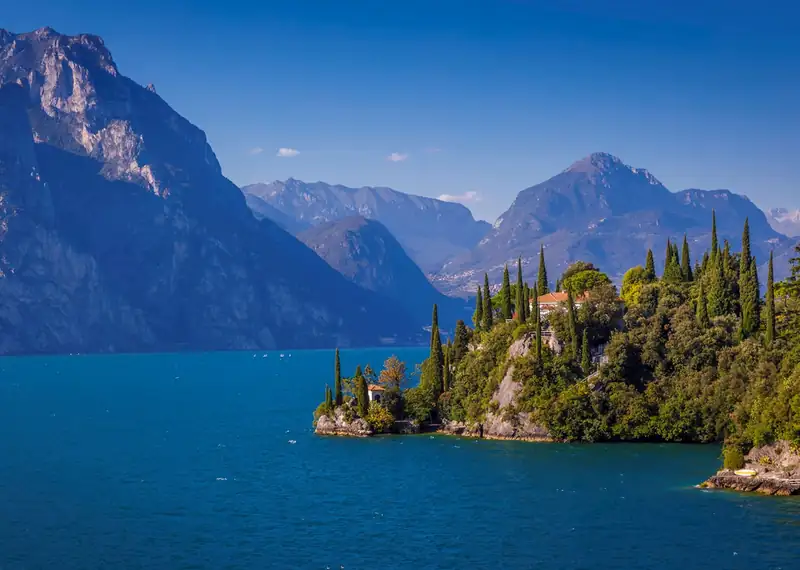
These stunning lakes offer picturesque views, charming villages, and numerous outdoor activities. Take a scenic boat ride on Lake Como or hike in the surrounding hills. For a more laid-back visit, spring and summer are the best times to explore these beautiful areas.
Italian Alps (Dolomites)
The Dolomites are a paradise for adventurers with opportunities for skiing, hiking, and rock climbing. Winter sports enthusiasts should visit during the winter months for the best skiing conditions, while summer provides excellent weather for hiking and climbing.
Top Places to Visit in Southern Italy
Southern Italy is famed for its warmer climate, stunning coastlines, and rich history and culture.
Naples
Naples, the birthplace of pizza, is a bustling city filled with history and incredible cuisine. Visit the ancient ruins of Pompeii and Herculaneum, both easily accessible from Naples. The best time to visit is in the spring or fall when you can enjoy pleasant weather and explore without the summer crowds.
Amalfi Coast
The Amalfi Coast offers breathtaking coastal scenery with its dramatic cliffs and charming villages. Drive along the coastal road for spectacular views, or hike the Path of the Gods for an unforgettable experience. Summer is ideal for beach activities but visiting in spring will allow for a more relaxed exploration.
Sicily
Sicily is rich in history, with landmarks from the Greek, Roman, and Norman periods. Explore the Valley of the Temples in Agrigento or the enchanting town of Taormina. Spring and fall are the best times to visit Sicily, avoiding the scorching summer heat while enjoying cultural festivals.
Puglia
Puglia, known for its whitewashed hill towns and olive groves, offers a unique blend of history and relaxation. Visit the Trulli houses in Alberobello and the stunning coastline of Salento. Summer months are perfect for enjoying the beaches, while spring and fall are ideal for sightseeing.
Matera
Matera, one of the oldest continuously inhabited cities in the world, is famous for its cave dwellings, known as Sassi. Explore this UNESCO World Heritage site and learn about its resilient history. Spring and fall are the best times to visit Matera, offering cooler temperatures and fewer tourists.
By considering the unique attractions and seasonal variations, you can plan your perfect Italian adventure. Whether you’re drawn to the fashion-filled streets of Milan, the canals of Venice, or the historic sites of Sicily, Northern and Southern Italy both offer unforgettable experiences.
The Food: North vs South
Northern Italy
Northern Italy’s cuisine is rich and hearty, heavily influenced by Austria, Switzerland, and France. You’ll find plenty of butter, cream, and cheese in their dishes. Regions like Piedmont, Lombardy, and Veneto boast some of the most delightful specialties.
- Butter and Dairy: Butter is a staple in the north, used in cooking methods that create rich, creamy textures.
- Central European Inspirations: Expect to find dishes like apple strudel and leberknödel, reflecting northern influences.
- Hearty Dishes: Northern meals often include meat and dairy. Common dishes are risotto, polenta, and stews.
- Regional Highlights: Piedmont is famous for truffles and fine wines. Lombardy’s risotto and polenta are must-tries.
- Dinner Time: In northern Italy, dinner usually starts around 7:30 p.m., making for longer leisurely evenings.
Southern Italy
In contrast, southern Italian cuisine is lighter and relies heavily on olive oil, tomatoes, and seafood. The Mediterranean influence from Spain and Greece is prominent here, shaping a diet that’s both fresh and flavorful.
- Olive Oil and Tomatoes: These ingredients form the base of many southern dishes, providing a lighter and healthier alternative to northern cuisine.
- Seafood Galore: Coastal regions like Sicily and Amalfi are renowned for their fresh seafood. Grilled fish and calamari are local favorites.
- Mediterranean Staples: Southern cuisine often includes pasta and pizza, but with a distinct twist. Dishes like spaghetti alle vongole (spaghetti with clams) and pizza Margherita hail from this region.
- Regional Highlights: Naples is a hub for authentic pizza. Sicilian cuisine offers arancini (stuffed rice balls) and cannoli. The Amalfi Coast is perfect for lemon-infused dishes.
- Dinner Time: Dinner starts later in the south, usually around 8:30 p.m., allowing for hours of late-afternoon siestas and leisurely aperitivos.
| Aspect | Northern Italy | Southern Italy |
|---|---|---|
| Key Ingredients | Butter, meats, dairy | Olive oil, tomatoes, seafood |
| Influences | Austria, Switzerland, France | Spain, Greece |
| Typical Dishes | Risotto, polenta, apple strudel | Pizza, seafood pasta, arancini |
| Dinner Time | 7:30 p.m. | 8:30 p.m. |
| Regional Specialties | Truffles (Piedmont), risotto (Lombardy) | Pizza (Naples), seafood (Amalfi Coast) |
Exploring the culinary traditions of Italy is an experience rich in variety and flavor. Whether you’re enchanted by the creamy risottos of the north or the fresh seafood of the south, each bite offers a unique taste of Italy’s rich cultural world.
Local Hospitality: A Contrast
When considering a trip to Italy, understanding the local hospitality differences between Northern and Southern Italy can significantly enhance your experience. Both regions offer unique and welcoming atmospheres, but they do so in distinct ways.
Northern Italy
- Formal and Efficient: In Northern Italy, hospitality often feels more formal and efficient. Cities like Milan, Turin, and Genoa have a cosmopolitan vibe where interactions might seem brisk and business-like.
- Cultural Influence: The culture here is influenced by neighboring France, Switzerland, and Austria, which can contribute to a more reserved atmosphere. Expect polished manners and a structured approach to service.
- Welcoming Yet Reserved: While the locals are warm, their approach tends to be more reserved. Don’t be surprised if your interactions feel professional and well-organized rather than overly familiar.
- Heartfelt and Warm: Southern Italy is famous for its exceptionally warm hospitality. Towns like Naples, the Amalfi Coast, and Sicily are known for their heartfelt welcomes.
- Relaxed Lifestyle: The southern lifestyle is more relaxed and carefree, which translates into a more genuine and friendly reception. Expect locals to engage in leisurely conversations and show genuine interest in your stay.
- Deep-Rooted Traditions: Southern hospitality is deeply tied to traditions and local customs. You’ll often find that hosts go out of their way to ensure you feel at home, whether you’re in a simple rural B&B or a coastal hotel.
Understanding these variations in local hospitality can help you decide which region aligns better with your travel preferences.
Pace of Life: Which Suits You?
When deciding between northern and southern Italy, the pace of life significantly impacts your travel experience.
Northern Italy
- Northern Italy, especially in cities like Milan, Genoa, and Turin, has a fast and structured lifestyle. These cities are the powerhouses of Italy, focusing on industry, fashion, and business.
- The pace here resembles major European cities like London or New York, emphasizing efficiency, punctuality, and busy schedules.
- Public transportation and road quality are superior in the north, adding to the efficient environment. You’ll find reliable and punctual services perfect for keeping up with tight itineraries.
- Southern Italy, on the other hand, offers a relaxed and laid-back atmosphere. The region embodies traditional and rustic charm where time is more flexible.
- Life here is slower, allowing you to soak in the beauty and enjoy leisurely moments. Towns like the Amalfi Coast, Naples, and Sicily encourage you to savor each day without rush.
- Public transportation might not be as prompt, but it fits well within the relaxed vibe. Driving through scenic coastal roads at your own pace can be an enjoyable part of the journey.
Considering your travel style is crucial. If you thrive in a dynamic and rapid setting, northern Italy might suit you best. But, if a leisurely and tranquil trip appeals more, southern Italy could be your ideal destination.
Best Times to Visit
Northern Italy
- Climate: Northern Italy has a cooler, cloudier climate compared to the south. Winters can be cold with snowfall, especially in the Alps. Summers are warm but not excessively hot.
- Best Time to Visit: The best time to visit Northern Italy is from April to October when the weather is warmest. This period is perfect for exploring cities like Milan, Venice, and Florence, and enjoying outdoor activities in the Italian Alps and lakes.
- Winter Activities: For winter sports enthusiasts, visiting during the winter months (December to March) is ideal. The Alps offer excellent skiing and snowboarding opportunities during this time.
- Climate: Southern Italy enjoys a warm Mediterranean climate with hot summers and mild winters. The coastal areas, like the Amalfi Coast, experience refreshing sea breezes, making even the hottest days more comfortable.
- Best Time to Visit: Travel to Southern Italy is best from May to October. During this time, the weather is perfect for beach activities, exploring historical sites, and indulging in local cuisine. July and August can be very hot, and you may prefer the shoulder months of May, June, September, and October for a more comfortable experience.
- Off-Season Benefits: Visiting in the off-season, such as April or November, offers milder weather and fewer crowds. These months provide a more relaxed experience, allowing you to explore popular destinations without the hustle and bustle of peak tourist seasons.
Best Time to Visit at a Glance
| Region | Best Time to Visit | Peak Season | Winter Activities |
|---|---|---|---|
| Northern Italy | April to October | July to August | Skiing, Snowboarding |
| Southern Italy | May to October | July to August | Limited winter activities |
When planning your Italian adventure, choosing the right time to visit each region will enhance your experience, whether you’re gravitating towards Northern Italy’s artistic cities and alpine activities or Southern Italy’s beaches and historical landscapes.
Conclusion: Northern vs Southern Italy – Which to Choose?
Choosing between northern and southern Italy depends on what you’re looking for in your Italian adventure. If you crave vibrant cities, breathtaking landscapes, and a cooler climate, northern Italy offers a rich blend of culture and sophistication. The fashion-forward streets of Milan and the romantic canals of Venice await your exploration.
On the other hand, if you’re drawn to warm Mediterranean climates, stunning coastlines, and rich historical sites, southern Italy is your ideal destination. Enjoy the heartfelt hospitality and savor the flavors of the Amalfi Coast and Naples, where every meal is a celebration.
Eventually, both regions offer unique experiences that cater to different tastes and interests. Whether you prefer the rapid, structured life of the north or the relaxed, laid-back atmosphere of the south, Italy promises unforgettable memories. Plan your trip based on your preferences, and you’ll undoubtedly fall in love with this beautiful country.
Frequently Asked Questions
Which region of Italy is better for a summer vacation?
Southern Italy, with its warm Mediterranean climate and stunning coastal towns like Amalfi and Sicily, is ideal for a summer vacation. It offers beautiful beaches, historic sites, and delicious seafood.
What are the key cultural differences between northern and southern Italy?
Northern Italy is influenced by neighboring countries like Switzerland and Austria, resulting in a formal and efficient culture. Southern Italy, influenced by Spain and Greece, showcases a warm and relaxed hospitality, emphasizing vibrant traditions.
Which region is more budget-friendly?
Southern Italy tends to be more affordable, especially in rural areas, compared to the more expensive northern region, which includes cities like Milan and Venice.
What are must-visit attractions in northern Italy?
Key attractions in northern Italy include Milan, Venice, the Dolomites, and Lake Como. Each offers unique experiences, from fashion and architecture to breathtaking landscapes.
What are the culinary highlights of southern Italy?
Southern Italian cuisine focuses on olive oil, tomatoes, and seafood. Notable dishes include pizza from Naples and seafood pasta from the Amalfi Coast. Dinners typically start around 8:30 p.m.
When is the best time to visit northern Italy?
Northern Italy is best visited from April to October. This period is ideal for exploring cities and outdoor activities, with winter months offering skiing opportunities in the Alps.
How does the pace of life differ between northern and southern Italy?
Northern Italy has a fast and structured lifestyle, particularly in cities like Milan and Turin. Public transportation is efficient. In contrast, southern Italy offers a laid-back atmosphere, encouraging leisurely exploration.
What are some hidden gems in southern Italy?
Hidden gems in southern Italy include the historic cave dwellings of Matera, the picturesque town of Alberobello, and the stunning beaches of Calabria. These spots offer unique and memorable experiences.
Which region has better public transportation?
Public transportation is superior in northern Italy, with efficient services that cater to a structured, busy environment. Southern Italy’s public transportation is less prompt but suits its slower pace.
Can you experience both northern and southern Italy in one trip?
Yes, it is possible to experience both regions in one trip. Plan your itinerary based on your interests, allocating time for key attractions and allowing for travel between regions.